 Treatment information from Mr Mohamed Mohyudin’s practice Consultant Ophthalmic Surgeon · FRCOphth · GMC 7039600 · double fellowship trained
 Quick answer
Ptosis surgery aims to raise an upper eyelid that sits too low. The appropriate repair depends on the cause, lifting function and eye health. Mr Mohamed Mohyudin assesses drooping eyelids in West Yorkshire. An examination is needed to distinguish ptosis from excess skin or a low eyebrow and to discuss benefits, alternatives and risks.
Key facts at a glance
- Assessment of lid height, lifting function and eye-surface health.
- A different operation from removing excess skin with blepharoplasty.
- A written treatment plan and quote follow examination.
- New drooping with double vision, pupil change or severe headache needs urgent advice.
Who might benefit from a ptosis assessment?
An assessment can help if an upper eyelid sits low, interferes with the upper field of view or causes concern about appearance. The first task is to establish the cause. Skin, eyebrow position and the mechanism that lifts the lid can contribute in different ways. An operation should be chosen after examination, not from a photograph alone.
What happens at the consultation?
Describe when the droop began, whether it varies and any previous eye operations or contact-lens wear. Bring older photographs and relevant clinic letters if available. Mr Mohyudin can discuss the findings, whether further investigation is needed and which options are appropriate. Tell the team about dryness, difficulty closing the eye and the activities affected by the lid.
Ptosis repair or blepharoplasty?
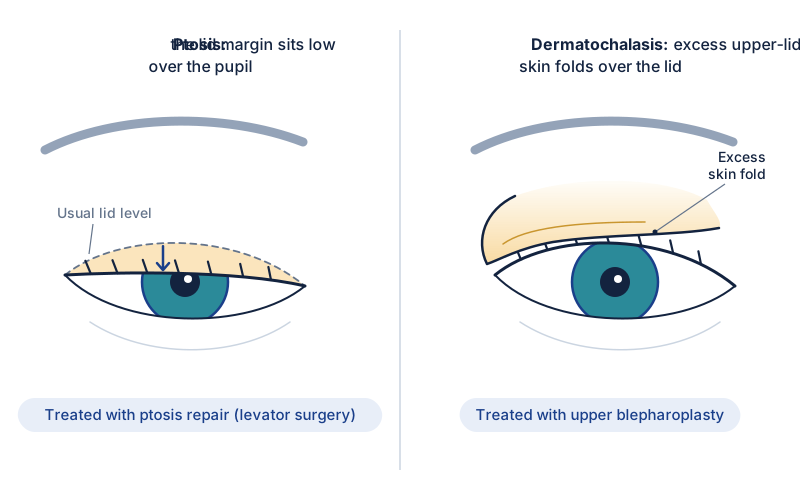
Ptosis repair addresses a low upper-lid position. Blepharoplasty addresses excess skin and, where appropriate, other eyelid tissue. Some people have both concerns. Ask which feature is responsible for each symptom and what the proposed operation would leave unchanged. Read the ptosis and blepharoplasty comparison before your consultation.
How is the treatment plan chosen?
The examination guides the choice of repair. Ask how the proposed operation relates to the lifting function of your lid and how the other eye will be considered. Discuss the anaesthetic, whether one or both lids would be treated and whether observation or another approach is reasonable. You should have time to consider the written information before making a decision.
Risks and limitations
Discuss an eyelid sitting too high or too low, asymmetry, an uneven contour, dryness and problems with closure. Further adjustment may be needed. Swelling can make the early position difficult to judge. Comfortable protection of the eye matters alongside appearance, and perfect symmetry cannot be promised.
Recovery and follow-up
Ask for instructions on wound care, any stitches, drops or ointment and the timing of review. Tell the team about work, driving and caring responsibilities so the plan is practical. Keep the urgent contact details available. New vision changes or increasing pain after an operation need prompt advice rather than waiting for a routine appointment.
Booking and cost
Contact the practice to confirm availability and the appropriate clinic. A personal quote follows assessment and should identify the procedure, hospital and anaesthetic arrangements and follow-up. If using insurance, obtain authorisation and check any exclusions before treatment.
Frequently Asked Questions
Is ptosis repair the same as an eyelid lift?
Not necessarily. Ptosis concerns the eyelid’s position; blepharoplasty concerns excess skin and other tissue. Examination establishes which problem is present.
Can both upper eyelids be assessed?
Yes. The assessment considers the relationship between the lids as well as each eye’s health. Whether one or both should be treated depends on the findings.
Can you guarantee equal eyelid heights?
No. The plan aims for an appropriate position and comfortable closure, but asymmetry and further adjustment are possible and should be discussed before surgery.
Explore this treatment in more depth
Sources & patient information
Page updated . Prepare your appointment checklist →