 Treatment information from Mr Mohamed Mohyudin’s practice Consultant Ophthalmic Surgeon · FRCOphth · GMC 7039600 · double fellowship trained
 Quick answer
Dacryocystorhinostomy (DCR) creates a new drainage route for tears when an appropriate tear-duct blockage is confirmed. Not every watering eye needs this operation: eye-surface irritation and eyelid position can also contribute. Mr Mohyudin offers assessment of watering eyes and discussion of suitable treatment in Yorkshire.
Key facts at a glance
- Start with assessment of why the eye waters.
- DCR is relevant to selected tear-drainage blockages.
- The approach, anaesthetic and follow-up are discussed individually.
- Persistent symptoms may have more than one cause.
Why does a watering eye need examination?
Tears may overflow because of drainage problems, irritation of the eye surface or eyelid position. More than one factor can be present. Explain whether the watering is constant, associated with discharge or worse in particular situations. Tell the clinician about earlier eye or nasal operations and any treatment already tried.
What is assessed before DCR?
The consultation should establish whether there is a relevant blockage and whether other conditions contribute. Ask what the tests show, whether further investigation is needed and why the proposed treatment fits the findings. A diagnosis matters more than the severity of watering alone. Bring previous clinic letters and a medicines list.
What does DCR surgery do?
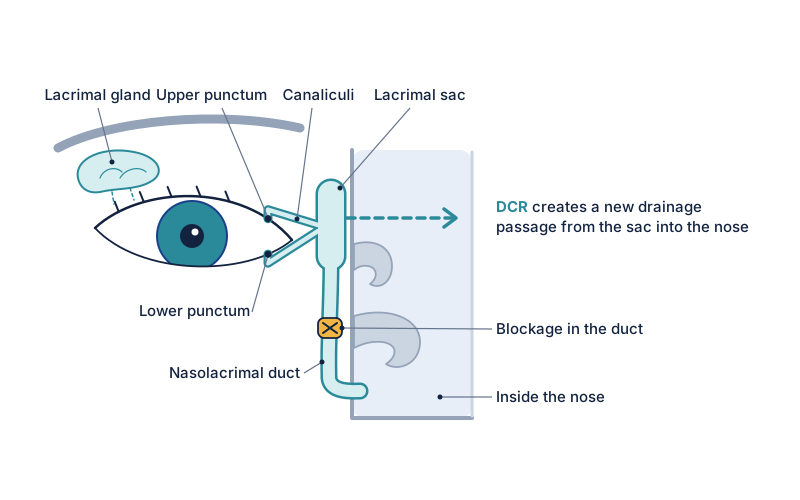
DCR provides a new route for tears to pass from the tear sac into the nose, bypassing the blocked pathway. The surgical approach and any use of a temporary tube or stent depend on the assessment and treatment plan. Ask the surgeon to explain the route, the anaesthetic arrangements and what follow-up will be needed.
What are the alternatives?
The appropriate alternative depends on the cause. Treatment of irritation or an eyelid problem may be more relevant than a drainage operation. Ask whether observation or another procedure is reasonable. If several factors cause the watering, discuss which will be treated first and whether further symptoms may remain.
Risks and expected benefit
Ask about bleeding, infection, scarring, persistent or recurrent watering and the possibility of further treatment. A new drainage route does not necessarily resolve another source of irritation or excess tearing. Discuss what improvement would be meaningful for your daily life and how the team will assess the result.
Recovery and aftercare
Follow the instructions for eye and nose care, medicines and activity. Ask whether a stent is expected, how it will be checked and when it should be removed. Confirm routine and urgent contact details before leaving. Increasing pain, significant bleeding or a change in vision should be discussed promptly.
Arrange an assessment in Yorkshire
Contact the practice to confirm the clinic and current availability. A written quote follows examination. Check what it includes, particularly the hospital, anaesthetic and follow-up arrangements. The watering-eye patient guide provides more background for the consultation.
Frequently Asked Questions
Does every watering eye need DCR?
No. The cause must be established first. Eye-surface or eyelid problems can also cause watering and may need different treatment.
Will I need a tube or stent?
This depends on the proposed procedure. Ask whether one is planned, how it will be checked and when it would be removed.
What if watering continues after surgery?
The eye should be reassessed. Persistent symptoms can reflect more than one cause or a drainage problem that needs further treatment.
Explore this treatment in more depth
Sources & patient information
Page updated . Prepare your appointment checklist →