Quick answer
Ptosis means the upper eyelid itself sits too low. Blepharoplasty addresses excess eyelid skin and, where appropriate, other tissue. Some people have both problems, or a low eyebrow contributing to the appearance. The appropriate treatment depends on examination of lid height, skin, brow position and eye-surface health; a photograph or an online comparison cannot establish which operation you need.
On this page
Patients often use “droopy”, “heavy” and “hooded” to describe different eyelid concerns. The words are useful descriptions, but choosing a procedure requires a diagnosis. This guide helps you prepare a focused discussion with an eyelid specialist without assuming which operation is right for you.
Key facts at a glance
- The eyelid edge, excess skin and eyebrow position are different features.
- Ptosis repair and blepharoplasty address different problems.
- More than one issue can contribute to a heavy-looking upper eyelid.
- Comfortable eyelid closure and protection of the eye matter alongside appearance.
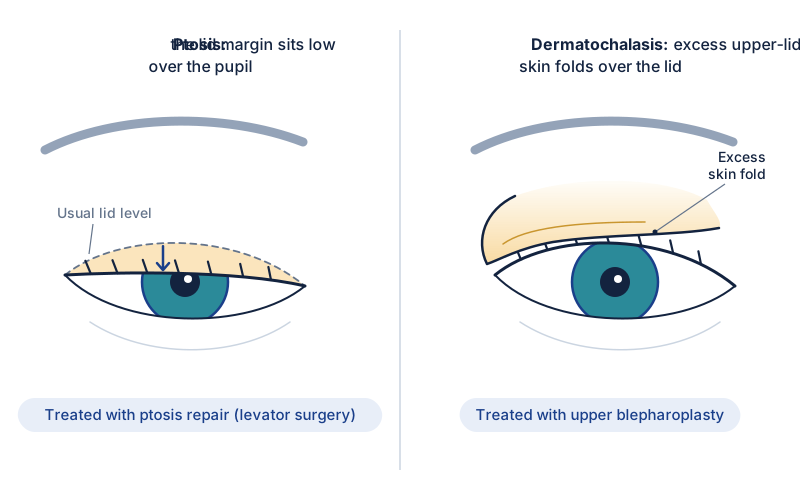
What is the difference between ptosis and excess eyelid skin?
With ptosis, the upper eyelid margin is lower than expected. With excess skin, the skin fold may hang down even when the lid margin is at an appropriate height. Eyebrow position can add another layer to the appearance. These features may coexist.
Describe whether the concern is visual obstruction, tiredness around the brow, skin touching the lashes or appearance. Ask the clinician to identify the feature responsible for each symptom. This prevents a discussion about one operation from overlooking another reason for the concern.
| Feature | Question for the specialist |
|---|---|
| Low upper eyelid edge | Is this ptosis, and what is causing it? |
| Excess upper-lid skin | Would removing skin address my concern? |
| Low brow position | How much does the eyebrow contribute? |
| Dryness or poor closure | How does eye-surface health affect the plan? |
What information helps at the first consultation?
Explain when the change began and whether it is constant or varies. Mention previous eye or eyelid surgery, contact-lens wear and any symptoms of dryness. Older photographs may help the team understand how your appearance has changed over time.
Bring a list of medicines and previous clinic letters. If the eyelid change affects daily tasks, give concrete examples. A suddenly drooping eyelid needs urgent GP, optician or NHS 111 advice. A severe headache or enlarged pupil with blurred or double vision needs emergency assessment; do not wait for an elective cosmetic appointment. The assessment should first establish that it is appropriate to discuss planned surgery.
Why might removing skin alone leave a low eyelid unchanged?
An operation aimed at excess skin does not automatically correct the mechanism that lifts the eyelid. Ask the surgeon to explain what the planned procedure will change and what it will leave untouched. This matters when the concern is described generally as “opening up the eyes”.
If more than one procedure is discussed, ask why each is needed and whether doing them together or in stages is appropriate. Request an explanation of the trade-offs, the likely recovery and the possibility of further adjustment. A combined plan should be based on your examination rather than an assumption that more treatment produces a better result.
How should risks and expectations be discussed?
Ask specifically about symmetry, lid height, closure and dryness. An eyelid can look higher while feeling less comfortable, so appearance should not be the only measure of success. Discuss whether pre-existing eye-surface symptoms need attention before surgery.
Request enough time to consider the proposed plan. Individual photographs and testimonials show a single person’s experience, not a prediction for your own eyes. Ask how early swelling will be distinguished from the settled result, who will assess healing and how a concern about the outcome is handled.
What should you know about recovery and cost?
The recovery plan depends on the actual procedure, anaesthetic and your circumstances. Ask about wound care, any stitches, return to contact lenses, work and driving. Use the surgical team’s instructions rather than treating a generic timetable as a personal clearance.
A quote should name the operation and say whether one or both sides are included. Check surgeon, hospital, anaesthetic and follow-up fees and ask what happens if the plan changes after assessment. Insurance and NHS funding questions should be discussed with the relevant provider; the appearance of a lid in a photograph cannot establish eligibility.
Questions that help you make a clear decision
- Which structure is causing each of my concerns?
- What would ptosis repair change that blepharoplasty would not?
- Is my eyebrow position contributing?
- How could surgery affect dryness or eye closure?
- What are the alternatives, including waiting?
- When will the result be assessed and what follow-up is included?
Frequently Asked Questions
Can you have ptosis and hooded eyelids together?
Yes. The lid edge, skin fold and brow can all contribute. An examination is needed to establish which features should be addressed.
Does an eyelid lift always improve vision?
No. The benefit depends on the cause of the symptoms and the procedure. Other eye conditions can also affect vision, so assessment should include more than appearance.
Can a photograph tell me which operation to book?
A photograph can help describe the concern but cannot replace examination of lid function, position and eye health. Book an assessment before choosing a procedure.
Sources & further reading
Patient information and guidance supporting this topic. Your own clinical team’s advice takes priority over a general guide.

Mr Mohamed Mohyudin
MBChB BSc MSc FRCOphth CCT — Consultant Ophthalmic Surgeon, Spire Elland Hospital, Yorkshire. GMC 7039600. Humanitarian cataract surgery in Karachi and Islamabad: World Aid Network.
View full credentials →