Quick answer
Double vision means seeing two images of one object. It can occur in one eye or when both eyes are open, and the distinction helps guide assessment. Sudden double vision or double vision with eye pain needs urgent advice. A severe headache or enlarged pupil with blurred or double vision, or double vision after a head injury, needs emergency assessment. Treatment depends on the cause and may involve glasses, prisms or specialist care.
On this page
Double vision can interfere with reading, walking, work and confidence outside the home. The first task is to establish the cause and urgency. This guide explains the questions and examinations involved, then describes how a longer-term treatment discussion may proceed once urgent causes have been addressed.
Key facts at a glance
- New double vision should be assessed even if it comes and goes.
- Describe when it started and whether pain, headache or other symptoms are present.
- An eye alignment problem and a focusing problem may require different treatment.
- An elective squint consultation does not replace urgent assessment of sudden symptoms.
When does double vision need urgent or emergency help?
NHS advice is to seek an urgent GP appointment or NHS 111 advice for sudden double vision or eye pain with double vision. A severe headache or enlarged pupil with blurred or double vision, or double vision after a head injury, needs emergency assessment. Do not drive yourself to seek care.
A routine private appointment is not the appropriate first step for these situations. Tell the service when the symptoms started and about any other changes, including weakness, speech difficulty or a new drooping eyelid. If you think you may be having a medical emergency, use the emergency service rather than waiting for an email response.
What is the difference between monocular and binocular double vision?
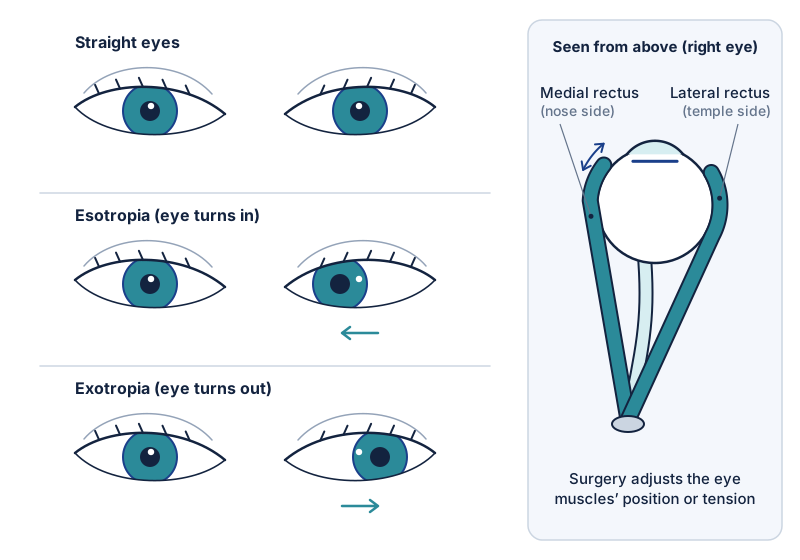
Clinicians distinguish double vision that persists in one eye from double vision caused by the two eyes not working together in alignment. The distinction is useful, but it is not a diagnosis by itself. Problems affecting focusing, the eye surface, eye muscles or their control can need different investigations.
Describe what you notice rather than trying to decide the cause in advance. Is there a clear second image or a faint ghost? Are images side by side, one above the other or slanted? Does it happen at distance, for reading or only when looking in a particular direction? Note any pattern, but do not delay urgent help to complete a home test.
What history should you bring to an assessment?
Bring your current glasses, including any prism prescription, and previous eye-clinic letters. Tell the clinician about eye or head injuries, past squint surgery, cataract surgery, other medical conditions and current medicines. Old photographs may help when an eye turn has been present for a long time.
Explain the everyday impact: difficulty using stairs, reading a screen, judging distances or working safely. If symptoms are intermittent, describe their frequency and what seems to bring them on. A short record is useful, but it should not replace a prompt assessment of new symptoms. Ask the team to clarify which activities you should avoid while the cause is being investigated.
What happens at an eye and orthoptic assessment?
The team may examine vision in each eye, the prescription, eye health and eye movements. An orthoptist assesses alignment and how the eyes work together. The exact tests depend on the history and findings. Further medical investigation or referral may be necessary; not every case belongs on a surgical pathway.
Ask what the examination has established and what remains uncertain. If another appointment or investigation is needed, clarify who arranges it and how you will receive the results. Keep the report so later clinicians can compare measurements rather than relying only on your description of a previous visit.
How can glasses, prisms and other treatment help?
Treatment follows the cause. A prescription change or a prism may help some patients; other problems need treatment of an underlying eye or medical condition. Ask whether a suggested measure is temporary while the problem changes or intended as a longer-term solution. Explain whether it is practical for the tasks you need to do.
Do not buy a prism or start patching without advice. Ask how a trial will be assessed, whether it should help at all viewing distances and when to return if it is uncomfortable or ineffective. A partial improvement does not necessarily mean the underlying condition has been resolved.
| Question | Why it matters |
|---|---|
| What is causing the double vision? | Determines the relevant specialist and treatment |
| Is the pattern changing? | May affect investigation, timing and follow-up |
| What task needs improvement? | Helps judge whether a treatment is useful |
| What remains after treatment? | Sets realistic expectations and follow-up goals |
When might squint surgery be discussed?
Squint surgery may be considered for an appropriate alignment problem after assessment. The decision should cover the intended benefit, alternatives and the risk of persistent or new double vision. It is not a treatment for every cause of diplopia, and it does not automatically remove the need for glasses.
Ask what stability or further measurements the team needs before deciding. Discuss how the result will be assessed and whether more than one treatment could be needed. If your main priority is comfortable reading rather than appearance, say so explicitly. That helps the clinician explain which outcome the proposed plan is designed to address.
What should you ask about driving and work?
Do not drive while experiencing double vision. Ask your eye specialist about the effect on work, driving and any relevant DVLA requirements. Do not assume that covering an eye or feeling comfortable on a familiar route makes driving safe or permitted.
Explain any safety-critical tasks in your work, including machinery, working at height or professional driving. A written account of restrictions and the next review can help you make temporary arrangements. The timing of a return depends on the cause, treatment and clinical advice, not on a fixed number of days from the first symptom.
Frequently Asked Questions
Does double vision always mean I need squint surgery?
No. The cause must be assessed first. Some cases involve a focusing or eye-surface problem; others involve alignment or an underlying medical condition. Surgery is relevant only to selected cases.
Should intermittent double vision be checked?
Yes. Explain when it occurs and arrange assessment. Sudden symptoms, eye pain or emergency warning signs need urgent help even if the double vision is not constant.
What is a prism in glasses for?
A prism changes how light enters the eye and may help some people with an alignment problem. Whether it is appropriate depends on a professional assessment and the pattern of double vision.
Sources & further reading
Patient information and guidance supporting this topic. Your own clinical team’s advice takes priority over a general guide.

Mr Mohamed Mohyudin
MBChB BSc MSc FRCOphth CCT — Consultant Ophthalmic Surgeon, Spire Elland Hospital, Yorkshire. GMC 7039600. Humanitarian cataract surgery in Karachi and Islamabad: World Aid Network.
View full credentials →