Quick answer
Diabetic retinopathy is damage to the retina's tiny blood vessels caused by high blood glucose, and it is the most common cause of preventable sight loss in working-age adults in the UK. Early stages cause no symptoms, so annual NHS diabetic eye screening is essential to detect changes before vision is affected.
On this page
Diabetic retinopathy is the most common cause of preventable sight loss in working-age adults in the United Kingdom. What makes it particularly dangerous is that early stages cause no symptoms whatsoever — vision remains normal until the disease is quite advanced. This is why annual diabetic eye screening is not optional; it is essential.
Key facts at a glance
- Leading cause of preventable sight loss in UK working-age adults
- Early stages cause no symptoms; vision stays normal
- Annual NHS diabetic eye screening from age 12, no referral needed
- Anti-VEGF injections are first-line for diabetic macular oedema
- Every 1% HbA1c reduction cuts progression risk by around 35%
- Treatments include laser photocoagulation and vitrectomy surgery
How diabetes damages the eye
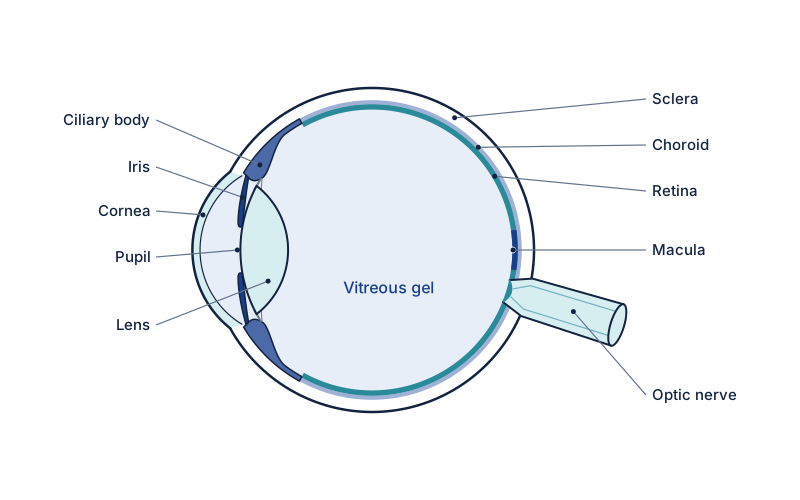
High blood glucose levels damage the tiny blood vessels (capillaries) that supply the retina — the light-sensitive layer at the back of the eye. Damaged capillaries leak fluid, bleed, or become blocked. Over time, the retina responds by growing new, fragile blood vessels in a process called neovascularisation — these new vessels bleed easily and can cause tractional retinal detachment.
The stages of diabetic retinopathy
- Background (mild non-proliferative) retinopathy — microaneurysms and small haemorrhages. No symptoms. Vision unaffected. No treatment needed, but annual monitoring continues.
- Moderate/severe non-proliferative retinopathy — more extensive changes, venous beading, cotton wool spots. Closer monitoring (6-monthly). Risk of progression is higher.
- Proliferative diabetic retinopathy (PDR) — new blood vessel growth (neovascularisation). High risk of vitreous haemorrhage and retinal detachment. Treatment required.
- Diabetic macular oedema (DMO) — fluid accumulates in the macula (the part of the retina responsible for central, detailed vision). Can occur at any stage. Causes gradual central visual blurring. Highly treatable.
Treatment
- Anti-VEGF injections (e.g. ranibizumab/Lucentis, bevacizumab/Avastin, aflibercept/Eylea) — the first-line treatment for diabetic macular oedema. Injected directly into the eye in a quick clinic procedure, usually monthly initially. Highly effective at preserving and improving vision.
- Laser photocoagulation — pan-retinal laser applied to the peripheral retina for proliferative disease. Reduces the stimulus for new vessel growth. May cause some peripheral field loss but protects central vision.
- Vitrectomy surgery — for vitreous haemorrhage that does not clear, or tractional retinal detachment.
- Systemic control — every 1% reduction in HbA1c reduces the risk of retinopathy progression by around 35%. Blood pressure and lipid control also matter significantly.
Diabetic eye screening in the UK
All people with diabetes aged 12 and over in England are invited for annual diabetic eye screening through the NHS Diabetic Eye Screening Programme (DESP). The screening involves a dilated fundus photograph and does not require a referral — your GP or diabetes team will arrange it.
Screening attendance in Yorkshire varies. Please do not skip these appointments. They are the single most effective intervention available to prevent diabetic blindness.
Does Mr Mohyudin treat diabetic retinopathy?
He will look at the retina as part of a full eye examination and explain screening photographs you bring. He is not a medical-retina injection clinic. Anti-VEGF series, pan-retinal laser for proliferative disease, and vitrectomy sit with medical-retina or vitreoretinal colleagues — including, in this trust, surgeons such as the vitreoretinal team. If cataract surgery is needed in a diabetic eye, that is his operation; the retinopathy plan still belongs with the retina service. Do not use a private cataract booking as a substitute for DESP.
When should a person with diabetes seek urgent eye care?
Sudden floaters, a curtain, or a dense blot in one eye can be vitreous haemorrhage. Distortion of straight lines can be macular oedema or worse. Those are prompt or same-day problems, not a wait for the next screening van. Huddersfield Royal Infirmary eye casualty: 01484 342000.
Who should skip this practice for diabetic retinopathy treatment?
Skip expecting anti-VEGF injections, pan-retinal laser, or vitrectomy on Mr Mohyudin’s private list. Those belong with medical-retina and vitreoretinal colleagues. Use this practice if you also need cataract surgery in a diabetic eye, or a general examination that then refers you correctly. Use DESP and the hospital retina clinic for the retinopathy itself. Honesty here is the service.
How should cataract surgery be timed if you have diabetic eye disease?
Cataract can block the view needed to treat the retina, and cataract surgery can temporarily worsen macular oedema. The usual sequence is: known retina first, then lens, with the retina team aware of the date. Do not book a premium multifocal lens in an eye with centre-involving diabetic macular oedema and hope the implant will out-perform a swollen macula. That decision is clinical, not a package upgrade.
What can you do between screening appointments?
Keep HbA1c, blood pressure and lipids in the range your diabetes team set. Do not smoke. Do not ignore a sudden shower of floaters or a blot in the vision because ‘screening is next month’. Huddersfield Royal Infirmary eye casualty: 01484 342000. Bring screening photographs to any cataract consultation so the lens plan is not made in isolation.
How do screening, an optician’s examination and hospital treatment fit together?
Diabetic eye screening looks for changes related to diabetes; it does not replace routine sight tests or an appointment for new symptoms. Keep the screening result letter and ask what the grade means for the next step. Some results lead to another screening appointment, while others lead to hospital assessment. If you have not received an expected invitation, contact your screening service rather than assuming no follow-up is needed.
At hospital, ask which part of the eye is affected and whether the plan is monitoring or treatment. Take an up-to-date medicines list and information about other diabetes care. If cataract surgery is also being discussed, make sure both teams know about the retinal findings and any existing treatment. A successful lens operation cannot by itself resolve all causes of reduced vision. New floaters, sudden blurring or other sight changes should be reported promptly instead of waiting for the next screening date.
Questions to take to your appointment
- What did my screening result show, and who owns the follow-up?
- Is there a retinal problem that could limit the benefit of cataract surgery?
- What symptoms should I report before my next scheduled visit?
Frequently Asked Questions
Will I definitely get diabetic retinopathy if I have diabetes?
Not necessarily. The risk of retinopathy increases with duration of diabetes and with poor glucose control. After 20 years of type 1 diabetes, approximately 95% of patients have some degree of retinopathy. However, with excellent glycaemic control, normal blood pressure, and annual screening, vision-threatening retinopathy can often be prevented or caught at a very early, treatable stage.
I have diabetes but my vision seems fine. Do I still need screening?
Yes, absolutely. Early and even moderate diabetic retinopathy causes no visual symptoms at all. By the time vision is affected, the disease is often already at an advanced stage. Annual screening detects changes before symptoms appear, when treatment is most effective.
Can I have private cataract surgery if I am under a diabetic eye clinic?
Often yes, if the retina team agrees the macula and periphery are stable enough. Tell both services. Private cataract does not replace laser or injections you still need on the NHS.
Does good vision mean I can skip screening?
No. Background and even some macular oedema can exist with a driving-standard acuity. Screening exists because symptoms arrive late.
Sources & further reading
Patient information and guidance supporting this topic. Your own clinical team’s advice takes priority over a general guide.

Mr Mohamed Mohyudin
MBChB BSc MSc FRCOphth CCT — Consultant Ophthalmic Surgeon, Spire Elland Hospital, Yorkshire. GMC 7039600. Humanitarian cataract surgery in Karachi and Islamabad: World Aid Network.
View full credentials →